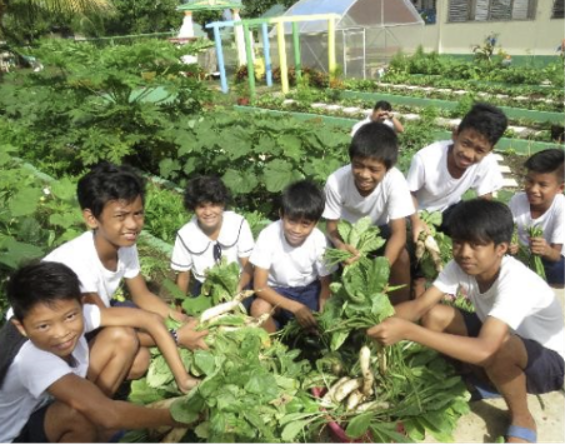
A school garden is slow in a world where students expect fast results. Seeds do not grow because we refresh a screen. They need water, sunlight, soil, and time.
That slowness is exactly why gardens matter. Students can learn biology, nutrition, climate, teamwork, and patience by watching something change week by week. A tomato or herb plant can make science feel less like memorizing and more like noticing.
Gardens also show how food is connected to labor. Vegetables do not simply appear in supermarkets. Someone plants, protects, harvests, transports, and cooks them.
Of course, school gardens need maintenance. Without a plan for vacations and weekends, they can become abandoned projects. Teachers, students, parents, and local groups should share responsibility.
A garden will not solve every educational problem. But it gives students a living classroom, and sometimes learning begins with getting dirt under your nails.